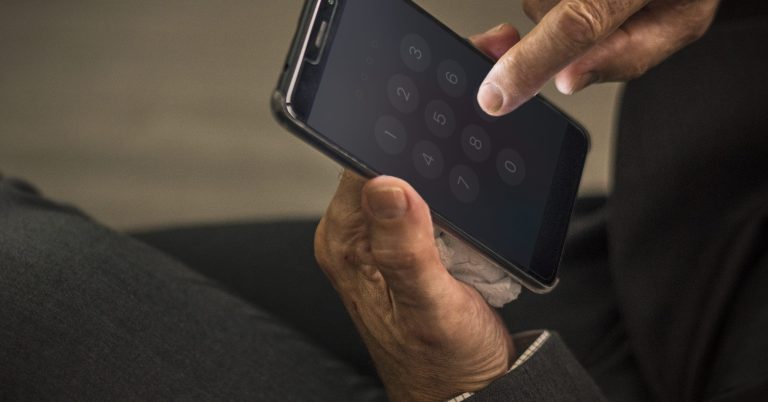
OTP, 2FA and MFA show up together in every conversation about digital security and are often used interchangeably. They are not the same: one is a type of credential and the other two are authentication strategies. Understanding the difference helps design safer flows without adding unnecessary friction. The OTP vs 2FA comparison is confusing because they are not alternatives: one is a tool, the other a strategy.
The definitions

| Term | What it is | Example |
|---|---|---|
| OTP (One-Time Password) | A code valid only once and for a limited time | The 6-digit code that arrives by SMS |
| 2FA (two-factor authentication) | Requiring two factors from different categories | Password + SMS OTP |
| MFA (multi-factor authentication) | Requiring two or more factors from different categories | Password + OTP + fingerprint for high-risk operations |
The three factor categories are: something you know (password or PIN), something you have (your phone, a security key) and something you are (fingerprint, face). Two passwords are not 2FA, because they belong to the same category.
Where OTP fits in
An OTP is a way to prove “something you have”. It can arrive by SMS, be generated in an authenticator app or be delivered by voice call. On its own, an OTP is not 2FA: it becomes 2FA when combined with a factor from a different category, such as a password.
For companies in Mexico that send one-time codes by SMS, see our SMS OTP service for authentication and verification.
How to combine them by risk
- Sign-up and number verification: SMS OTP to confirm the phone exists and belongs to the user.
- Regular login: 2FA with password and OTP, or passwordless methods such as passkeys.
- High-risk operations (transfers, data changes): stronger MFA with risk signals such as a new device or a recent SIM change.
- Account recovery: OTP to the registered number, with extra controls to prevent account takeover.
What the guidelines say
Revision 4 of NIST’s digital identity guidelines keeps SMS OTP as a valid authenticator but classifies it as restricted: those who use it must offer at least one alternative, assess risks and apply controls such as short validity, attempt limits and SIM-change detection. Meanwhile, the FIDO Alliance reports growing passkey adoption. The trend is not to replace one method with another but to combine them wisely.
See also SMS OTP vs authenticator app vs push. Talk to our team about your authentication flow.
Sources
- “NIST SP 800-63B-4: Digital Identity Guidelines — Authentication and Authenticator Management”, NIST, 2025. Read source
- “The State of Passkeys 2026: Global Consumer and Workforce Report”, FIDO Alliance, 2026. Read source